Hair dye OEM: planning a shade range for a first order
Shade count is a cost decision, not a creative one. How depth and tone multiply into SKUs, and why a first range should carry one axis.
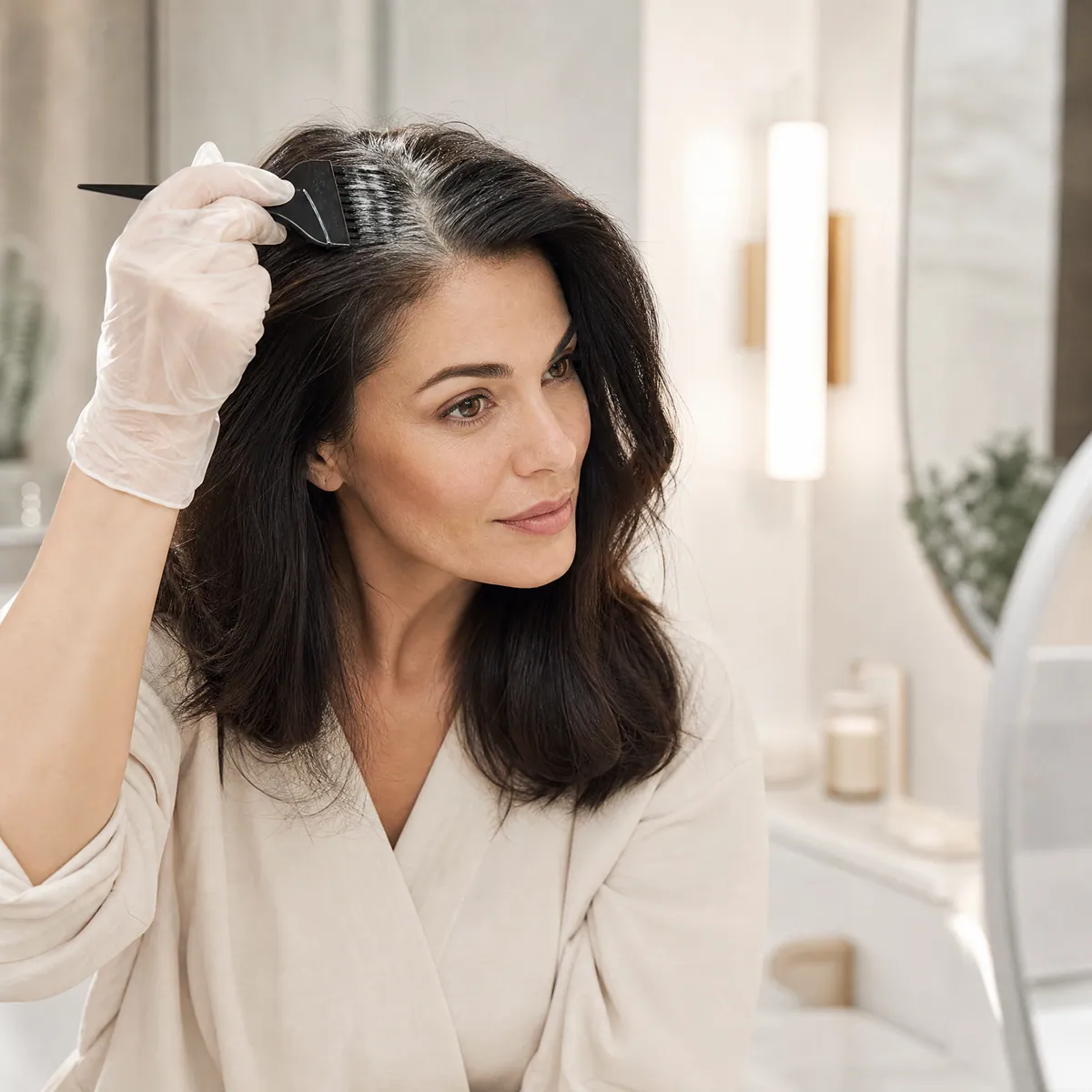
The first version of almost every hair colour range is too wide. A buyer sketches eight shades because eight looks like a range, and the first order arrives as eight separate print runs, eight sets of labels, eight documents and eight slow-moving SKUs.
The shade range is where a colour launch spends its money. Planning it is a cost exercise before it is a creative one.
What a shade actually is
A shade is not one decision. It is at least three, and each one multiplies the others:
Depth. How light or dark the result sits — black, dark brown, medium brown, light brown, blonde. Depth is the axis that carries grey coverage.
Tone. The direction inside the depth — ash, natural, warm, red, copper. Tone is what a buyer sees on a swatch and what the customer argues about.
Base. Whether the product lifts, deposits, or does both. A deposit-only shade cannot lighten hair, no matter what the swatch shows. This catches first-time buyers more often than tone does.
Eight shades can be one depth in eight tones, or eight depths in one tone. They cost the same to produce per SKU and behave completely differently in the market.
The multiplication nobody budgets for
Every additional variant repeats the whole chain: bulk fill, label print, carton print, leaflet, batch record, document set, and a slot in the shade chart. Two axes that each look reasonable — five depths, four tones — is twenty SKUs, not nine.
The honest way to plan is to pick the axis that sells and hold the other one:
- Grey-coverage channels usually sell on depth, with a natural tone repeated across the ladder. One tone, four or five depths.
- Fashion-led channels sell on tone, with one depth repeated. One depth, four to six tones.
- Salon-inspired palettes want both axes, and they are for buyers who already know how many shades their stylists will actually stock.
The first order should carry one axis. The second order adds the other one where the sell-through data points.
Grey coverage is a percentage question
Buyers often plan grey coverage by shade count when the real variable is the customer’s percentage of white hair. A customer with scattered grey and a customer with full grey need different depth and different tone neutrality, and the same shade rarely serves both well.
That is why grey-coverage lines tend to be narrow in tone and deep in depth: natural and ash at four or five depths cover most of the demand, and the instruction leaflet carries the patch test and the timing that a mass-market pack cannot explain on the front.
If the destination market skews older, the depth ladder matters more than the fashion swatches. If it skews younger, the opposite is true, and the temporary or foam formats do the work.
Format decides the rest of the range
The same liquid is sold three ways, and each one changes what the shade is worth:
Shampoo colour. The customer treats it as a wash step. Shade control is coarser, and the range usually stays at one or two depths because the product is bought on routine.
Cream colour. The conventional route, and the only one where a wide palette makes commercial sense — with a developer and a swatch card in the box.
Foam or bubble colour. Sold to at-home users who want the result without a consultation. Mixing and application happen in one motion, which limits how much shade precision the pack can promise.
Touch-up and temporary formats. Small-format, high-repeat products that sit beside a main range rather than inside it. They also make a cheaper test of a new tone than a full cream SKU.
Picking the format first keeps the shade plan small. Picking shades first is how a range ends up with one hero SKU and six dead ones.
The development cost that hides in the shade chart
Every new tone is a formulation event, not a label event. A red needs a different dye package from an ash at the same depth, and a warm brown needs a different base from a cool brown. That is real lab time before anything is printed.
Two consequences worth planning for:
- Neighbouring shades are cheaper than distant ones. A natural and an ash at the same depth often share most of the base. A copper at that depth does not.
- Swatch approval is a colour-matching exercise. The swatch, the label print and the carton artwork have to agree under the same lighting. Buyers who approve a swatch from a phone screen and a carton from a PDF are usually disappointed in the box.
Documents, warnings and shade names
Colour products carry a heavier document set than a shampoo, and the shade name is part of the label, not a marketing afterthought. Three things to settle before artwork:
- Which market and language the shade names are written for. A name that sells in one language can read as a claim in another.
- Which warnings the destination requires, and whether the leaflet carries them or the box does.
- Which shade numbering system the channel expects. A house number, a depth-tone code and a competitor-compatible number are three different documents and three different charts.
Settle these before the swatch is approved. Changing a shade name after the carton is printed is the most avoidable cost in a colour launch.
What to send when you ask for a shade plan
- The channel — mass retail, pharmacy, marketplace, salon, barber
- The market, and the language on the label
- The problem the customer has: grey coverage, a fashion change, or a root correction
- The format you are leaning towards, and whether it is a kit or a single unit
- A shade count you could live with, plus the one you would prefer
Five lines is enough to come back with a shade ladder, a realistic SKU count and the point where the range starts costing more than it earns.
The colour directions we already produce are on the hair colour range, and the grey-coverage route is set out on the grey coverage page. If the shade plan is still open, send the brief and we will tell you which ladder fits the channel.